
By Isabella Marchant, Currier Times Staff///
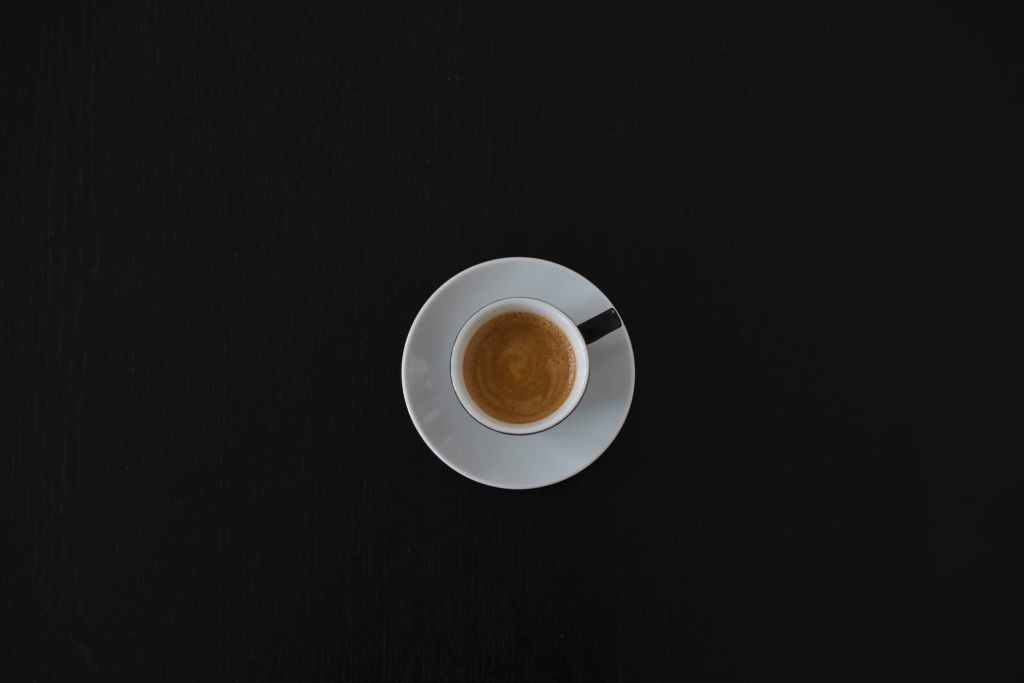
With Final Exams and the Holidays, it’s pretty certain many college students will grab coffee to keep them awake and alert. While rushing to the Curry Starbucks location is common, that can add up, financially speaking. Here’s some tips on doing it yourself:
Select A Coffee Bean:
The taste, smell, and quality of a coffee bean can change coffee. The four primary types of coffee beans can include arabica, excelsa, liberica, and robusta.
Arabica can taste light, subtle, like a fruit or a flower, and sweet. Excelsa can taste subtle, like a fruit or a tart, and sweet. Liberica can taste subtle, like a nut or a spice, and sweet. Robusta can taste subtle, like a nut or a chocolate, and taste sweet.
Grind A Coffee Bean:
The taste, texture, and quality can depend on a grinder. The four primary types of grinders can include an extra fine grinder, a fine grinder, a medium-fine grinder, a medium grinder, a medium-coarse grinder, a coarse grinder, and an extra coarse grinder.
An extra fine grinder is when a coffee bean is grinded into a texture similar to flour. An extra fine grinder can be used for
Turkish coffee.
A fine grinder is when a coffee bean is grinded into a texture similar to powdered sugar. A fine grinder can be used for a Espresso machine or a Moka Pot.
A medium-fine grinder is when a coffee bean is grinded to a texture similar to flour and powdered sugar, and a medium-fine grinder can be used for a pour-over brewer.
A medium grinder is when a coffee bean is grinded to a texture similar to table salt or dry sand. A medium grinder can be used for an Aeropress, a cone-shaped brewer, a flat-bottom brewer, and a Siphon.
A medium-coarse grinder is when a coffee bean is grinded to a texture similar to sand. A medium-coarse grinder can be
used for a Chemex or a Clever Dripper.
A coarse grinder is when a coffee bean is grinded to a texture similar to kosher salt. A coarse grinder can be used for a French Press.
An extra-coarse grinder is when a coffee bean is grinded to a texture similar to a sea salt particle. An extra-coarse
grinder can be used for a cold brew brewer.
Measure Water:
You can use clean water, filtered water, or bottled water to prevent a change in taste. Depending on what you drink, water can occupy a large amount of space in your coffee. In addition, use a coffee-to-water ratio. You can use two tablespoons of coffee per six ounces of water, a normal coffee-to-water ratio.
However, you can change the coffee-to-water ratio depending on what you like and your preference.
Select a Brewing Method:
The taste and quality of coffee can depend on what you select for a brewing method. The six primary ways to brew coffee can include an Aeropress, a Chemex, a Coffee Cone, a French Press, a Moka Pot, and a Siphon.
In an Aeropress, two point five tablespoons to three tablespoons of coffee can rest in a brew chamber where hot water (two hundred and five degrees Fahrenheit or ninety-six degrees Celsius) is poured and steeps the coffee. To extract coffee, you
can press a plunger down, which can create air pressure to cause coffee to be poured through a paper filter and into a cup in one minute to two minutes.
An Aeropress can be easy to clean. An Aeropress can be easy to store. An Aeropress can cost forty dollars to fifty dollars.
In a Chemex, you can pour hot water (two hundred and five degrees Fahrenheit or ninety-six degrees Celsius) over six tablespoons of coffee in a paper filter. Coffee can drip through a paper filter and into the bottom of a Chemex in four minutes. It can be hard to clean a Chemex.
A Chemex can be fragile, but it can be easy to store. A Chemex can cost forty-five dollars to seventy-eight dollars.
In a Coffee Cone, you can pour hot water (two hundred and five degrees Fahrenheit or ninety-six degrees Celsius) over three tablespoons of coffee in a paper filter. With gravity, coffee can drip through a paper filter and into a pot in one minute to three minutes.
A Coffee Cone can be easy to clean. A Coffee Cone can be easy to store. A Coffee Cone can cost eight dollars to seventy-one dollars.
In a French Press, you can press a plunger down two tablespoons to two point five tablespoons of coffee to be soaked, steeped, and strained in hot water (two hundred and five degrees Fahrenheit or ninety-six degrees Celsius) in four minutes.
A French Press can be easy to clean. A French Press can be easy to store. A French Press can cost eight dollars to
one hundred and twelve dollars.
In a Moka Pot, steam pressure from hot water (two hundred and five degrees Fahrenheit or ninety-six degrees Celsius) in the bottom section to move through two point five tablespoons to three tablespoons of coffee in a mid chamber of a pot.
Coffee can sit in the high chamber of the pot for five minutes.
A Moka Pot can be easy to clean. A Moka Pot can be durable and easy to store. A Moka Pot can cost twenty dollars to sixty dollars.
In a Siphon, six tablespoons of coffee can be poured into the upper vessel, and vapor pressure can cause hot
water to immerse the coffee.
After heat is removed, gravity can move the coffee through a paper filter and into the bottom of a vessel in six minutes.
A Siphon can be somewhat hard to clean. A Siphon can be fragile, and it can be hard to store. A Siphon can cost seventy dollars to one hundred and sixty dollars.
Summary:
Whatever method you choose, brewing your own coffee will always save you money in the long run. And once you get the hang of it, you’ll always have a cup of coffee that is made just for YOU!
 The Currier Times